The 13 Challenges
Pick the challenge your team wants to tackle. Each challenge comes from a real person or community and describes the problem, the "how might we" question, and example ideas to get you started. Η ελληνική περιγραφή κάθε πρόκλησης είναι διαθέσιμη μέσα σε κάθε κάρτα.
Challenge #1 — Invisible Accessibility
Αόρατη Προσβασιμότητα
Challenge origin:
Nikos Apostolidis
People with disabilities often need to manually configure accessibility settings on every device and application. This is repetitive, time-consuming, and rarely adapts when their environment or needs change.
How might we create digital experiences that automatically adapt to a person's needs, preferences, and context without requiring manual setup?
- Adaptive user interfaces
- Accessibility profiles that work across devices
- AI-powered personalization
- Context-aware accessibility (noise, lighting, stress, location)
Ελληνική περιγραφή
Τα άτομα με αναπηρία χρειάζεται συχνά να ρυθμίζουν ξανά και ξανά τις επιλογές προσβασιμότητας σε κάθε συσκευή και εφαρμογή. Η διαδικασία είναι χρονοβόρα και δεν προσαρμόζεται στις ανάγκες ή στο περιβάλλον του χρήστη.
Πώς μπορούμε να δημιουργήσουμε ψηφιακές εμπειρίες που προσαρμόζονται αυτόματα στις ανάγκες, τις προτιμήσεις και το περιβάλλον κάθε χρήστη, χωρίς να απαιτούνται χειροκίνητες ρυθμίσεις;
- Προσαρμοζόμενο περιβάλλον χρήστη (Adaptive UI)
- Προφίλ προσβασιμότητας που λειτουργούν σε όλες τις συσκευές
- Εξατομίκευση με AI
- Προσαρμογή ανάλογα με το περιβάλλον (φωτισμός, θόρυβος, άγχος)
Challenge #2 — Accessibility as a Superpower
Η Προσβασιμότητα ως Υπερδύναμη
Challenge origin:
Nikos Apostolidis
Most accessibility technology focuses on compensating for limitations instead of enabling new capabilities. Technology could help people perceive and understand information that is otherwise inaccessible—or even unavailable to everyone.
How might we build solutions that give people new ways to understand and interact with the world, beyond traditional accessibility support?
- "Someone nearby is trying to get your attention."
- "The checkout queue is now shorter."
- "The bus driver has seen you and will stop."
- "The room is quiet and people are waiting for you to speak."
Ελληνική περιγραφή
Οι περισσότερες λύσεις προσβασιμότητας καλύπτουν περιορισμούς, αντί να δίνουν στους ανθρώπους νέες δυνατότητες αντίληψης και αλληλεπίδρασης με τον κόσμο.
Πώς μπορούμε να σχεδιάσουμε λύσεις που δεν προσφέρουν μόνο προσβασιμότητα, αλλά δίνουν στους ανθρώπους νέους τρόπους να αντιλαμβάνονται και να κατανοούν το περιβάλλον τους;
- «Κάποιος προσπαθεί να σου μιλήσει.»
- «Η ουρά στο ταμείο μόλις έγινε μικρότερη.»
- «Ο οδηγός του λεωφορείου σε είδε και θα σταματήσει.»
- «Η αίθουσα είναι ήσυχη και περιμένουν να μιλήσεις.»
Challenge #3 — Context-Aware Smart Keyboard
Έξυπνο Πληκτρολόγιο με Κατανόηση Περιεχομένου
Challenge origin:
Nilos Psathas
People with motor disabilities often rely on on-screen keyboards. Today's prediction and autocorrect mainly depend on typed letters, making communication slower and more difficult.
How might we create an on-screen keyboard that predicts and corrects text based on context, conversation, and the individual user—not just the letters being typed?
- AI-powered context prediction
- Personalized language models
- Smarter autocorrect
- Adaptive communication assistance
Ελληνική περιγραφή
Τα άτομα με κινητική αναπηρία βασίζονται συχνά σε πληκτρολόγια οθόνης. Οι σημερινές προβλέψεις και διορθώσεις βασίζονται κυρίως στα γράμματα που πληκτρολογούνται και όχι στο νόημα του κειμένου ή στις συνήθειες του χρήστη.
Πώς μπορούμε να δημιουργήσουμε ένα πληκτρολόγιο που προβλέπει και διορθώνει το κείμενο με βάση το περιεχόμενο της συζήτησης και το προσωπικό προφίλ του χρήστη;
- Πρόβλεψη με AI
- Εξατομικευμένο λεξιλόγιο
- Έξυπνη αυτόματη διόρθωση
- Προσαρμογή στις συνήθειες του χρήστη
Challenge #4 — Helping Blind Parents Stay Aware
Υποστήριξη Τυφλών Γονέων
Challenge origin:
Angelina Fragou
Blind parents may not know where their child is or what the child is doing in environments such as playgrounds, parties, or even at home. They miss important social and emotional cues that help them intervene, support, or celebrate their child.
How might we help blind parents understand where their child is and what is happening around them in real time?
- Child location awareness
- Activity and emotion detection
- Audio summaries of important events
- Smart alerts for situations requiring attention
Ελληνική περιγραφή
Ένας τυφλός γονέας δεν μπορεί πάντα να γνωρίζει πού βρίσκεται το παιδί του ή τι συμβαίνει γύρω του, είτε σε μια παιδική χαρά, ένα πάρτι ή ακόμα και μέσα στο σπίτι.
Πώς μπορούμε να βοηθήσουμε έναν τυφλό γονέα να γνωρίζει πού βρίσκεται το παιδί του και τι συμβαίνει γύρω του σε πραγματικό χρόνο;
- Εντοπισμός θέσης παιδιού
- Αναγνώριση δραστηριοτήτων ή συναισθημάτων
- Ηχητικές περιγραφές σημαντικών γεγονότων
- Έξυπνες ειδοποιήσεις όταν χρειάζεται παρέμβαση
Challenge #5 — Inclusive Voice Typing
Φωνητική Πληκτρολόγηση για Όλους
Challenge origin:
Haris Aslanidis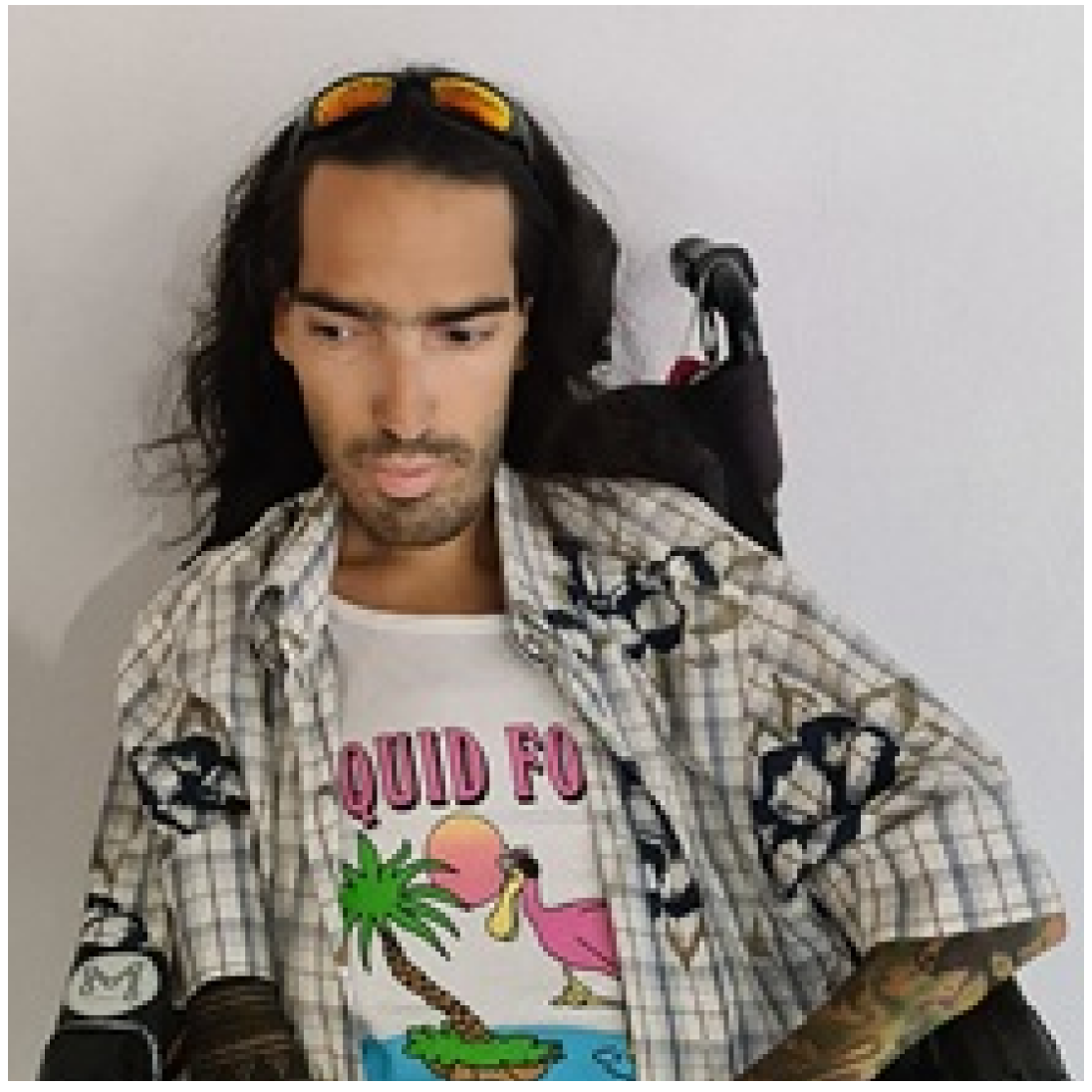
Voice typing performs poorly for many people with developmental disabilities whose speech differs from standard speech patterns.
How might we build voice typing that adapts to each person's unique way of speaking and becomes more accurate over time?
- Personalized speech recognition
- Adaptive AI models
- Learning from user corrections
- Speech pattern customization
Ελληνική περιγραφή
Η φωνητική πληκτρολόγηση δεν λειτουργεί με ακρίβεια για πολλά άτομα με αναπτυξιακές αναπηρίες, επειδή η ομιλία τους διαφέρει από τα πρότυπα στα οποία έχουν εκπαιδευτεί τα υπάρχοντα συστήματα.
Πώς μπορούμε να δημιουργήσουμε φωνητική πληκτρολόγηση που μαθαίνει και προσαρμόζεται στον τρόπο ομιλίας κάθε χρήστη;
- Προσωποποιημένη αναγνώριση φωνής
- AI που βελτιώνεται με τη χρήση
- Προσαρμογή στις διορθώσεις του χρήστη
Challenge #6 — Accessibility Reporting Platform
Πλατφόρμα Αναφοράς Προβλημάτων Προσβασιμότητας
Challenge origin:
Vyron Korpas Kamarianos
Many organizations do not fully comply with accessibility laws and standards. Citizens have no simple way to report accessibility issues or learn which services are accessible.
How might we create a trusted platform where people can report accessibility barriers and help others discover accessible organizations and services?
- Anonymous reporting
- Accessibility ratings
- Public accessibility map
- Reports sent to responsible authorities
Ελληνική περιγραφή
Πολλοί οργανισμοί δεν συμμορφώνονται με τις απαιτήσεις προσβασιμότητας και οι πολίτες δεν έχουν έναν εύκολο τρόπο να αναφέρουν προβλήματα ή να γνωρίζουν ποιες υπηρεσίες είναι πραγματικά προσβάσιμες.
Πώς μπορούμε να δημιουργήσουμε μια αξιόπιστη πλατφόρμα όπου οι πολίτες θα αναφέρουν προβλήματα προσβασιμότητας και θα ενημερώνονται για το επίπεδο προσβασιμότητας οργανισμών και υπηρεσιών;
- Ανώνυμες αναφορές
- Βαθμολογία προσβασιμότητας
- Χάρτης προσβάσιμων υπηρεσιών
- Αυτόματη ενημέρωση αρμόδιων φορέων
Challenge #7 — Nationwide Accessible Parking Finder
Πανελλήνιος Χάρτης Θέσεων Στάθμευσης ΑμεΑ
Challenge origin:
Dimitris Yfantis
Drivers with disabilities spend unnecessary time searching for accessible parking spaces, and there is no single national source of information.
How might we help drivers quickly find accessible parking spaces anywhere in Greece?
- National parking map
- Navigation to nearby spaces
- Real-time availability
- Community updates
Ελληνική περιγραφή
Οι οδηγοί με αναπηρία δυσκολεύονται να εντοπίσουν διαθέσιμες θέσεις στάθμευσης ΑμεΑ και δεν υπάρχει μία ενιαία πηγή πληροφόρησης.
Πώς μπορούμε να βοηθήσουμε τους οδηγούς να βρίσκουν εύκολα και γρήγορα διαθέσιμες θέσεις στάθμευσης ΑμεΑ σε όλη την Ελλάδα;
- Πανελλήνιος χάρτης
- Πλοήγηση προς την πλησιέστερη θέση
- Διαθεσιμότητα σε πραγματικό χρόνο
- Ενημέρωση από την κοινότητα
Challenge #8 — Digital Toll Pass for People with Disabilities
Ψηφιακό e-Pass Διοδίων για Άτομα με Αναπηρία
Challenge origin:
Dimitris Yfantis
Drivers entitled to toll exemptions often need to present documents repeatedly at toll stations, creating delays and unnecessary inconvenience.
How might we simplify toll-free travel for eligible people with disabilities through a secure digital solution?
- Digital disability e-Pass
- Automatic verification
- Nationwide interoperability
- Privacy-preserving identity management
Ελληνική περιγραφή
Οι δικαιούχοι απαλλαγής από τα διόδια χρειάζεται συχνά να επιδεικνύουν δικαιολογητικά σε κάθε διέλευση, δημιουργώντας καθυστερήσεις και ταλαιπωρία.
Πώς μπορούμε να απλοποιήσουμε τη διέλευση από τα διόδια μέσω μιας ασφαλούς ψηφιακής λύσης που θα αναγνωρίζει αυτόματα τους δικαιούχους;
- Ψηφιακό e-Pass
- Αυτόματη αναγνώριση δικαιούχου
- Πανελλαδική διαλειτουργικότητα
- Προστασία προσωπικών δεδομένων
Challenge #9 — Real-Time Coach Communication
Άμεση Επικοινωνία Προπονητή – Αθλητών
Challenge origin:
Dionysis Gazis
Coach, Greece Deaf National Basketball Team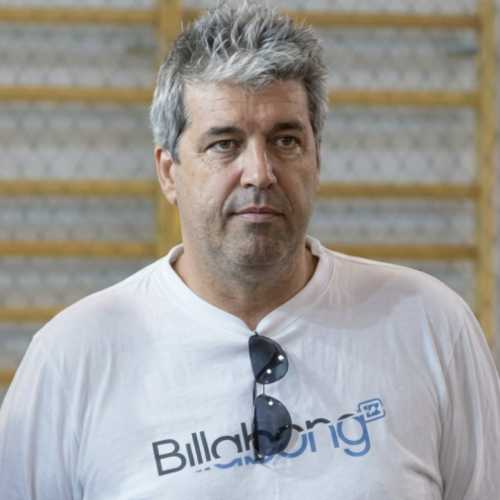
During games and training, deaf athletes cannot always see hand signals or maintain eye contact with the coach, making communication difficult.
How might we enable coaches to communicate instantly and discreetly with deaf athletes during sports activities?
- Smartwatch notifications
- Icons and color signals
- Haptic feedback
- Predefined tactical commands
Ελληνική περιγραφή
Κατά τη διάρκεια αγώνων και προπονήσεων, οι κωφοί αθλητές δεν μπορούν πάντα να βλέπουν τις χειρονομίες ή να έχουν οπτική επαφή με τον προπονητή.
Πώς μπορούμε να επιτρέψουμε στους προπονητές να επικοινωνούν άμεσα και διακριτικά με τους αθλητές σε πραγματικό χρόνο;
- Ειδοποιήσεις σε smartwatch
- Εικονίδια και χρωματικά σήματα
- Δόνηση
- Προκαθορισμένες τακτικές οδηγίες
Challenge #10 — AI-Powered Visual Coaching
AI Οπτικός Πίνακας Τακτικής
Challenge origin:
Dionysis Gazis
Coach, Greece Deaf National Basketball Team
Explaining tactics verbally is not always the most effective way for deaf athletes to learn. Coaches also spend significant time reviewing performance manually.
How might we use AI and visualization to make sports tactics easier to understand and provide personalized feedback for athletes?
- Interactive tactical whiteboard
- Animated play visualization
- AI video analysis
- Personalized visual coaching
- Support for multiple team sports
Ελληνική περιγραφή
Η κατανόηση της τακτικής βασίζεται συχνά στη λεκτική επικοινωνία, ενώ η ανάλυση της απόδοσης απαιτεί σημαντικό χρόνο από τον προπονητή.
Πώς μπορούμε να χρησιμοποιήσουμε την τεχνητή νοημοσύνη και την οπτικοποίηση για να κάνουμε την εκμάθηση τακτικής και την εξατομικευμένη ανατροφοδότηση πιο αποτελεσματικές;
- Διαδραστικός πίνακας τακτικής
- Αυτόματη δημιουργία κινούμενων φάσεων
- AI ανάλυση βίντεο
- Εξατομικευμένες προτάσεις βελτίωσης
- Εφαρμογή σε διαφορετικά ομαδικά αθλήματα
Challenge #11 — Lost in Space, an ADHD lived experience
Χαμένος στο Διάστημα, ζώντας με ΔΕΠΥ
Challenge origin:
Grigoris Lemonis
Managing Director @ Human Intelligence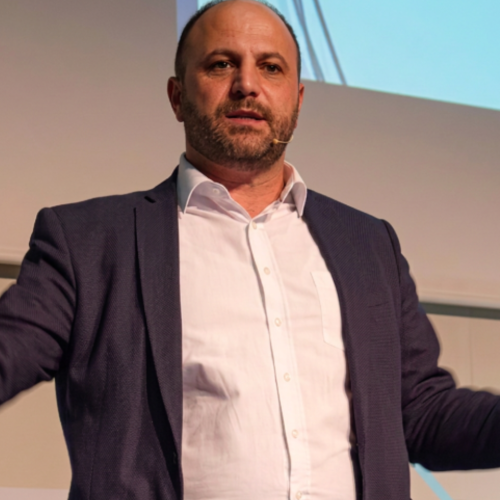
Many people with ADHD struggle to stay focused, organize their day, manage time, and complete tasks. Small distractions can quickly derail attention, while constant mental overload and sensory stimuli increase stress and make it difficult to stay on track. Existing productivity tools often require more organization than the user can consistently maintain.
How might we help people with ADHD stay focused, organized, and in control of their daily lives without adding complexity or becoming another distraction?
- AI personal coach or companion
- Context-aware reminders
- Smart task prioritization
- Focus and distraction management
- Sensory-friendly experiences
- Wearables that support attention and self-regulation
- Gentle guidance to return to interrupted tasks
Ελληνική περιγραφή
Πολλά άτομα με ΔΕΠΥ δυσκολεύονται να διατηρήσουν την προσοχή τους, να οργανώσουν την ημέρα τους, να διαχειριστούν τον χρόνο και να ολοκληρώσουν εργασίες. Μικροί περισπασμοί μπορούν εύκολα να διακόψουν τη συγκέντρωση, ενώ η συνεχής νοητική και αισθητηριακή υπερφόρτωση αυξάνει το άγχος. Τα περισσότερα εργαλεία οργάνωσης απαιτούν περισσότερη συνέπεια και οργάνωση από αυτή που μπορούν να υποστηρίξουν.
Πώς μπορούμε να βοηθήσουμε τα άτομα με ΔΕΠΥ να διατηρούν τη συγκέντρωσή τους, να οργανώνουν καλύτερα την καθημερινότητά τους και να διαχειρίζονται την προσοχή τους, χωρίς να προσθέτουμε επιπλέον πολυπλοκότητα ή περισπασμούς;
- Προσωπικός βοηθός με AI
- Έξυπνες υπενθυμίσεις που λαμβάνουν υπόψη το πλαίσιο
- Δυναμική ιεράρχηση εργασιών
- Εργαλεία διαχείρισης περισπασμών
- Αισθητηριακά φιλικές εμπειρίες
- Wearables για υποστήριξη συγκέντρωσης
- Ήπια καθοδήγηση για επιστροφή σε εργασίες που διακόπηκαν
Challenge #12 — Living Independently for Longer
Ανεξάρτητη Διαβίωση για Περισσότερο Χρόνο
Challenge origin: Older Adults Community
Many older adults gradually reduce their independence due to fear of falling, digital exclusion, and increasing reliance on others for everyday activities. As a result, they may become less active, less connected, and more socially isolated.
How might we help older adults live more independently, confidently, and actively while reducing unnecessary dependence on others?
- Confidence-building mobility support
- Simple, age-friendly technology
- Hybrid digital and non-digital services
- Smart assistance for daily activities
- Community and social connection tools
Ελληνική περιγραφή
Πολλοί ηλικιωμένοι χάνουν σταδιακά την ανεξαρτησία τους λόγω του φόβου πτώσης, του ψηφιακού αποκλεισμού και της αυξανόμενης ανάγκης για βοήθεια στην καθημερινότητά τους. Αυτό συχνά οδηγεί σε μειωμένη δραστηριότητα, κοινωνική απομόνωση και χαμηλότερη ποιότητα ζωής.
Πώς μπορούμε να βοηθήσουμε τους ηλικιωμένους να ζουν με μεγαλύτερη ανεξαρτησία, ασφάλεια και αυτοπεποίθηση, μειώνοντας την ανάγκη συνεχούς υποστήριξης από τρίτους;
- Υποστήριξη ασφαλούς μετακίνησης
- Απλές και φιλικές τεχνολογικές λύσεις
- Συνδυασμός ψηφιακών και μη ψηφιακών υπηρεσιών
- Έξυπνη υποστήριξη καθημερινών δραστηριοτήτων
- Ενίσχυση κοινωνικής συμμετοχής
Challenge #13 — Invisible Disability, Visible Inclusion
Αόρατη Αναπηρία, Ορατή Συμπερίληψη
Challenge origin:
Maria Saridaki
Lecturer Mediadesign Hochschule, Berlin
Many people with cognitive or intellectual disabilities have disabilities that are not immediately visible. Services and environments often assume everyone processes information in the same way and at the same speed. Without appropriate support, simple interactions can become stressful, unsafe, or even harmful.
How might we create services, products, and environments that naturally adapt to different cognitive needs without requiring people to disclose or explain their disability?
- Flexible user journeys
- Easy-to-understand communication
- Adaptive instructions
- Alternative interaction methods
- Inclusive service design
- AI-powered cognitive assistance
Ελληνική περιγραφή
Πολλά άτομα με γνωστικές ή νοητικές αναπηρίες έχουν αναπηρίες που δεν είναι εμφανείς. Οι περισσότερες υπηρεσίες και διαδικασίες θεωρούν ότι όλοι επεξεργάζονται τις πληροφορίες με τον ίδιο τρόπο και την ίδια ταχύτητα. Χωρίς κατάλληλη υποστήριξη, ακόμη και απλές αλληλεπιδράσεις μπορεί να οδηγήσουν σε άγχος, αποκλεισμό ή σοβαρές αρνητικές συνέπειες.
Πώς μπορούμε να σχεδιάσουμε προϊόντα, υπηρεσίες και εμπειρίες που προσαρμόζονται στις διαφορετικές γνωστικές ανάγκες των ανθρώπων, χωρίς να απαιτείται να αποκαλύψουν ή να εξηγήσουν την αναπηρία τους;
- Ευέλικτες διαδρομές εξυπηρέτησης
- Απλή και κατανοητή επικοινωνία
- Προσαρμοζόμενες οδηγίες
- Εναλλακτικοί τρόποι αλληλεπίδρασης
- Συμπεριληπτικός σχεδιασμός υπηρεσιών
- AI υποστήριξη για γνωστική προσβασιμότητα
AI Clothing Cleanliness Assistant
Έλεγχος Καθαριότητας Ρούχων
Challenge origin:
Enias Martos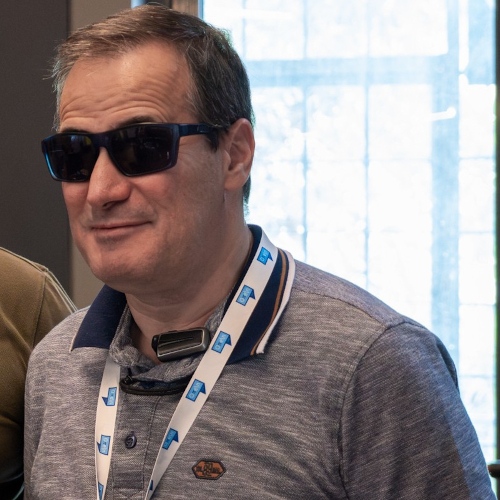
Blind and low-vision users cannot easily determine whether a piece of clothing is clean or identify stains before wearing it.
How might we help users quickly assess whether clothing is clean, identify stains, and suggest suitable cleaning methods using AI?
- AI-guided camera positioning for accurate inspection
- Detection of stain location, size, type, and color
- Clothing cleanliness assessment
- Cleaning recommendations based on the detected stain
Ελληνική περιγραφή
Τα τυφλά άτομα και τα άτομα με χαμηλή όραση δεν μπορούν εύκολα να καταλάβουν αν ένα ρούχο είναι καθαρό ή αν έχει λεκέδες πριν το φορέσουν.
Πώς μπορούμε να βοηθήσουμε τους χρήστες να ελέγχουν αν ένα ρούχο είναι καθαρό, να εντοπίζουν λεκέδες και να λαμβάνουν προτάσεις καθαρισμού με τη βοήθεια της AI;
- Καθοδήγηση για σωστή φωτογράφιση του ρούχου
- Αναγνώριση θέσης, μεγέθους, είδους και χρώματος λεκέ
- Εκτίμηση καθαριότητας του ρούχου
- Προτάσεις για τον κατάλληλο τρόπο καθαρισμού
AI Cooking Assistant
AI Βοηθός Μαγειρικής
Challenge origin:
Enias Martos
Cooking often depends on visually checking whether food is cooked, boiling correctly, or ready to serve. Blind users and inexperienced cooks can struggle to make these decisions.
How might we use AI to monitor cooking progress, guide users through recipes, and determine whether food is properly cooked?
- Step-by-step cooking guidance
- AI assessment of cooking or baking level from images
- Boiling and cooking progress detection
- Comparison with reference images from expert chefs
Ελληνική περιγραφή
Το μαγείρεμα βασίζεται συχνά στην οπτική εκτίμηση του βαθμού ψησίματος ή βρασμού. Αυτό είναι δύσκολο για τυφλούς χρήστες αλλά και για άπειρους μάγειρες.
Πώς μπορούμε να χρησιμοποιήσουμε την AI ώστε να καθοδηγεί τον χρήστη στη συνταγή και να εκτιμά αν το φαγητό έχει ψηθεί ή βράσει σωστά;
- Οδηγίες μαγειρέματος βήμα-βήμα
- Εκτίμηση βαθμού ψησίματος από εικόνα
- Αναγνώριση βρασμού και προόδου μαγειρέματος
- Σύγκριση με εικόνες από επαγγελματίες σεφ
AI Mobility Training & Smart Navigation
AI Υποστήριξη Κινητικότητας Τυφλών
Challenge origin:
Enias Martos
Blind people need more than obstacle detection. They also need guidance that helps them learn safe mobility skills and choose routes that match their individual needs.
How might we combine AI, computer vision, and navigation to provide safer mobility, personalized route guidance, and mobility training for blind users?
- Detection of low and high obstacles and road hazards
- Personalized navigation with safer alternative routes
- AI guidance similar to an orientation and mobility instructor
- Continuous route analysis using camera and environmental information
Ελληνική περιγραφή
Οι τυφλοί χρήστες χρειάζονται περισσότερα από την ανίχνευση εμποδίων. Χρειάζονται εξατομικευμένη καθοδήγηση που θα τους βοηθά να κινούνται με ασφάλεια και να γίνονται πιο αυτόνομοι.
Πώς μπορούμε να συνδυάσουμε AI, όραση υπολογιστή και πλοήγηση ώστε να προσφέρουμε ασφαλέστερες διαδρομές και εκπαίδευση κινητικότητας;
- Ανίχνευση χαμηλών και ψηλών εμποδίων και λακκουβών
- Πρόταση ασφαλέστερων εναλλακτικών διαδρομών
- Καθοδήγηση αντίστοιχη με εκπαιδευτή κινητικότητας
- Συνεχής ανάλυση της διαδρομής μέσω κάμερας και AI